A Friend Is Not Made in One Afternoon
Quick answer
To learn how to help kids make friends, look for one child they already enjoy talking to. Plan a small activity they can repeat. Let the friendship grow at a comfortable pace. Notice whether both children show interest, and help your child widen their circle when needed.
Key takeaways
- Choose one classmate your child already talks to.
- Suggest an easy activity with something to do together.
- Look for another natural chance to meet.
A practical approach to how to help kids make friends
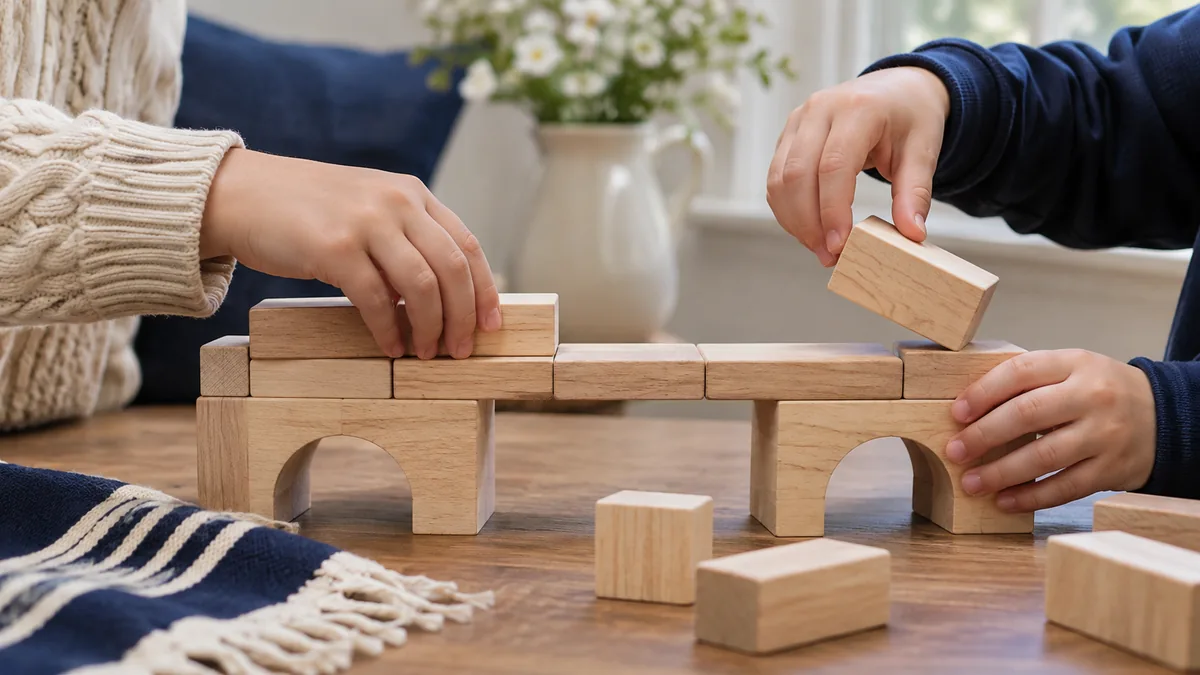
When children are small, friendships seem to happen by magic. Two preschoolers sit beside one another with blocks, and five minutes later they announce that they are best friends.
As children grow older, however, relationships require more than simply sharing a classroom. Adults often discover the same thing after moving to a new neighborhood or starting a new job.
What turns an acquaintance into a friend?
One answer is repeated, comfortable contact. People generally become familiar to one another when they meet regularly, spend time together, and gradually share more than surface conversation.
That is why school, camp, shul, and neighborhood activities so often become the setting for lasting friendships. The schedule creates opportunities for connection that would otherwise require considerable effort.
This offers an important lesson for parents whose children are having trouble making friends. A single elaborate playdate rarely changes a child's social life. Nor is one enjoyable conversation necessarily the beginning of a close relationship. Friendships usually develop through a series of ordinary encounters.
Plan small chances to see each other again
Suppose your daughter mentions a girl from class with whom she occasionally talks. Rather than arranging a large group outing, invite that girl for a simple activity.
Then look for another natural opportunity a week or two later. Maybe they can walk home together, work on a project, or meet at the playground.
These smaller encounters give the girls a chance to become comfortable with each other.
It is also important to leave room for a relationship to grow at its own pace. Children may enjoy spending time together without becoming inseparable. Parents sometimes push for too much intimacy too quickly, especially when they are anxious that a child is lonely. A friendship can be valuable even when it is not a "best friendship."
The same principles apply to adults. Someone who feels socially isolated might wait to be invited into an existing group. Yet friendships are often built by showing up consistently: attending a weekly class, helping with a communal activity, or joining a walking group. Familiarity makes conversations easier. Small exchanges gradually become more meaningful.
Notice curiosity and mutual effort
Of course, proximity alone is not sufficient. Two people can see one another every day and remain strangers. Relationships grow when there is genuine interest. Asking a thoughtful question, remembering something important, or offering help during a difficult week communicates that the other person matters.
For children, we can model this attention. After a playdate, ask, "What did you enjoy doing together?" rather than "Does she like you?" The first question encourages curiosity about another person. The second can turn friendship into a constant evaluation of one's own popularity.
There is also the matter of reciprocity. If your son always initiates plans and the other child never seems interested, he may need encouragement to widen his circle. A friendship should not require one person to do all the work. Learning this is not rejection; it is part of recognizing a healthy relationship.
We cannot guarantee that every invitation will be accepted. We can help our children understand that meaningful friendship is usually a gradual process involving time, kindness, shared experiences, and mutual interest. In a world that prizes instant results, the patient work of friendship is worth remembering.
How to put this into practice
- Choose one classmate your child already talks to.
- Suggest an easy activity with something to do together.
- Look for another natural chance to meet.
- Give both children room to decide how the friendship grows.
Frequently asked questions
How can I help my child make a friend?
Start with one peer and a simple shared activity. Look for another natural chance to spend time together.
Is one playdate enough?
It can be a start. Most friendships grow through repeated, comfortable experiences.
What can I ask after a playdate?
Ask what they enjoyed doing together. This keeps attention on the experience and the other child.
What if my child always makes the plans?
Notice whether the other child shows interest. Help your child meet other peers if the effort is always one-sided.
Where can kids find repeated chances to meet?
A regular class, shul activity, camp, or time at a local playground can create natural chances to see the same children.
Washington Jewish Journal in print
If you’re wondering how to help kids make friends, suggest one shared activity they can do again.
Subscribe to the Journal