Why Your Daughter Doesn't Believe Your Compliments
At a glance
To build your daughter’s self-esteem, start with what she experiences every day. Rifka Schonfeld considers why compliments sometimes fall flat and what helps a child recognize her strengths.
Key takeaways
- Listen to the frustration beneath self-criticism.
- Notice a specific effort or act of kindness when you give feedback.
- Make room for genuine accomplishments and spend time together without evaluating how she’s doing.
Why compliments can be hard to believe
You tell your daughter that she is bright, capable, and wonderful. She shrugs. You remind her of her beautiful middos and the way she helps her younger siblings. She rolls her eyes. Somehow, the more you try to persuade her that she has reason to feel confident, the less convinced she seems.
Parents naturally want to protect children from painful feelings about themselves. But self-esteem cannot simply be handed over through reassuring words. A child who has spent years feeling unsuccessful in school may not believe a parent's broad declaration that she is "so smart." It contradicts the evidence she thinks she sees every day.
Suppose your daughter struggles with reading while her siblings finish books effortlessly. She may interpret every comparison as proof that she is less capable.
When you insist that she is brilliant, she may believe you are only trying to make her feel better. What she needs is not more extravagant praise, but experiences that help her recognize her own worth.
How to build your daughter’s self-esteem
Start by listening to her self-criticism. If she says, "I'm stupid," you might respond, "It sounds as though that assignment made you feel terrible." This does not mean agreeing with her conclusion. It means acknowledging the frustration beneath it. Once she feels understood, you can discuss the difference between struggling with a particular skill and being unintelligent.
Next, offer feedback that is specific and credible. "You kept practicing those difficult words even when you wanted to stop" carries more weight than "You're amazing." So does "You noticed that your friend was upset and made room for her at the table." Specific observations help children build an accurate picture of their strengths.
It is also important to allow children to become competent. If you constantly rescue your daughter from tasks she could learn to manage, you may unintentionally reinforce the idea that she cannot do things herself.
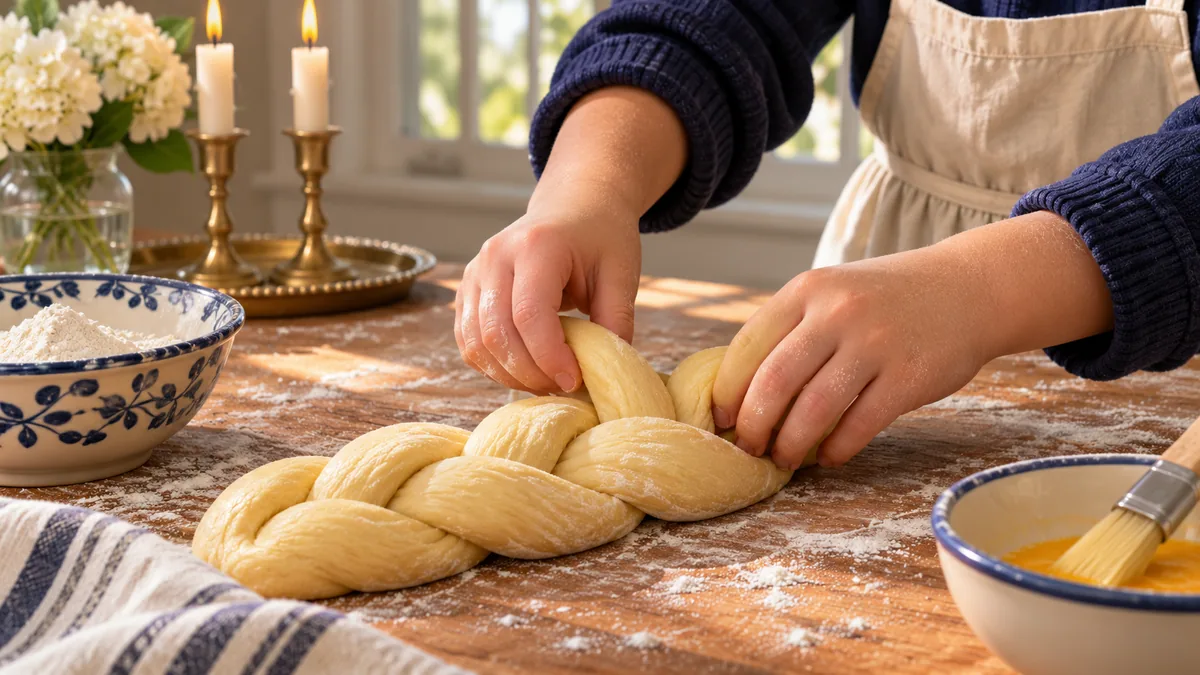
Let her bake something for Shabbos, organize an activity for a younger sibling, or take responsibility for a household task. Offer help when appropriate, but allow the finished accomplishment to belong to her.
Find areas of life in which the child can experience genuine success. These do not need to be impressive extracurricular achievements. Perhaps she enjoys drawing, caring for small children, creating stories, or helping an elderly neighbor. What matters is that she can see herself contributing and growing in a way that is meaningful.
What makes confidence last
Parents should also pay attention to comparisons within the family. Even casual remarks such as "Your brother never had trouble with that" can linger. Each child deserves to be seen as an individual, not as a variation of a sibling who learns differently.
Try spending time together without turning the experience into a lesson or an opportunity for praise. Take a walk, prepare a favorite recipe, or sit and talk. Consistent attention tells a child that she is enjoyable company, independent of what she accomplishes.
Finally, remember that self-esteem develops gradually. One encouraging conversation will not erase years of frustration. Effective academic support, opportunities for success, warm relationships, and honest feedback work together over time.
Our children do not need to believe that they are the best at everything. They need to understand that difficulties and imperfections do not cancel out their strengths or diminish their value. When that belief grows from lived experience, it becomes far more durable than any compliment we could offer.
Frequently asked questions
Why doesn’t my daughter believe my compliments?
Broad praise can be hard to believe when it clashes with what she experiences every day. Listen to what frustrated her and notice specific efforts or strengths she can recognize.
What kind of praise helps build my daughter’s self-esteem?
Point to something she actually did, such as practicing a difficult word or making room for a friend. Specific feedback gives her a believable example of what she can do.
How can I help my daughter build confidence beyond praise?
Give her a responsibility she can learn to manage, support skills she is finding difficult, and make time together without turning it into a lesson or a chance to evaluate her.
Washington Jewish Journal in print
To build your daughter’s self-esteem, name one effort she can recognize today.
Subscribe to the Journal









































































