WJJ 1:1 | Leaders in Action
From the February 2025 issue
Innovating Healthcare for Klal Yisroel
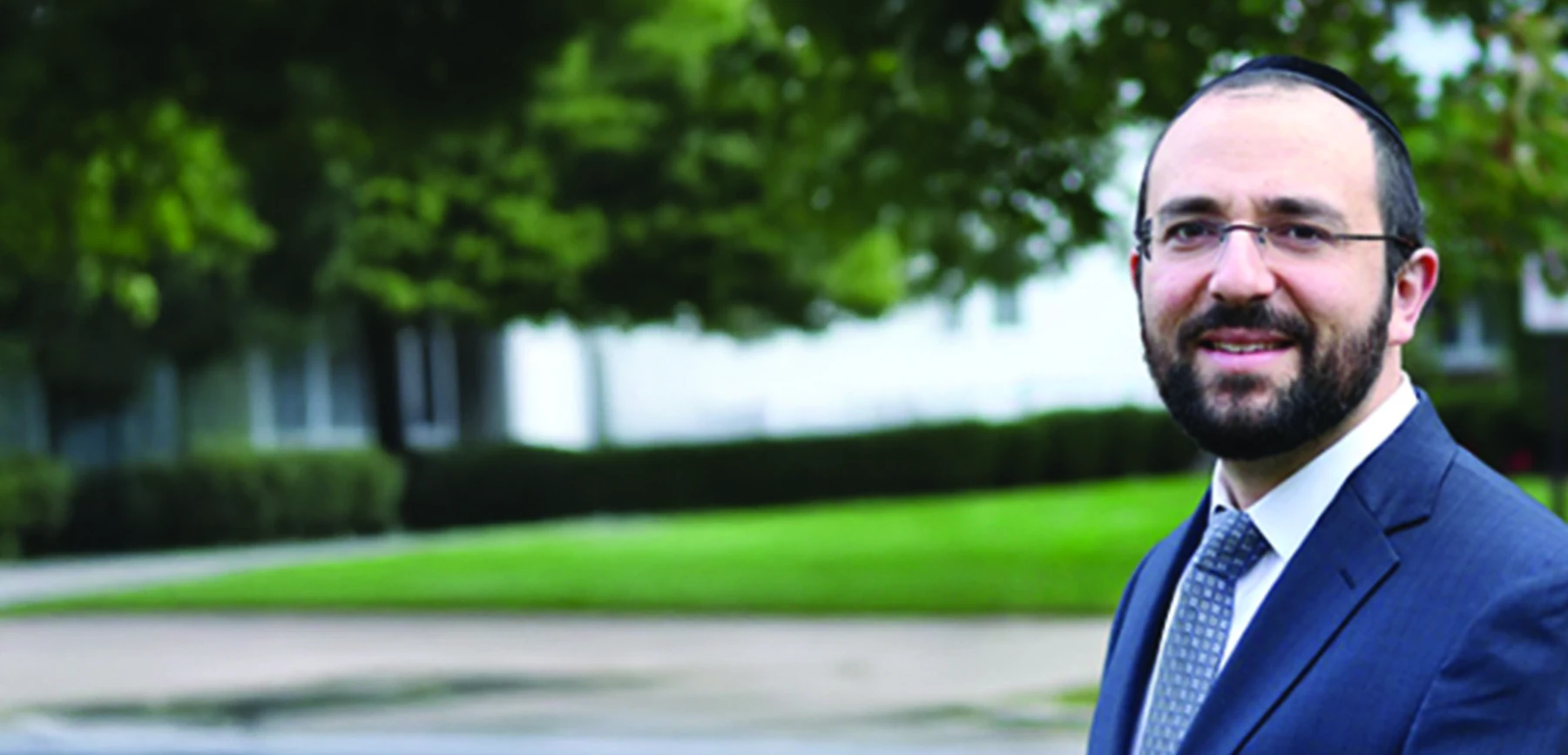
A conversation with Rabbi Moishe Katz
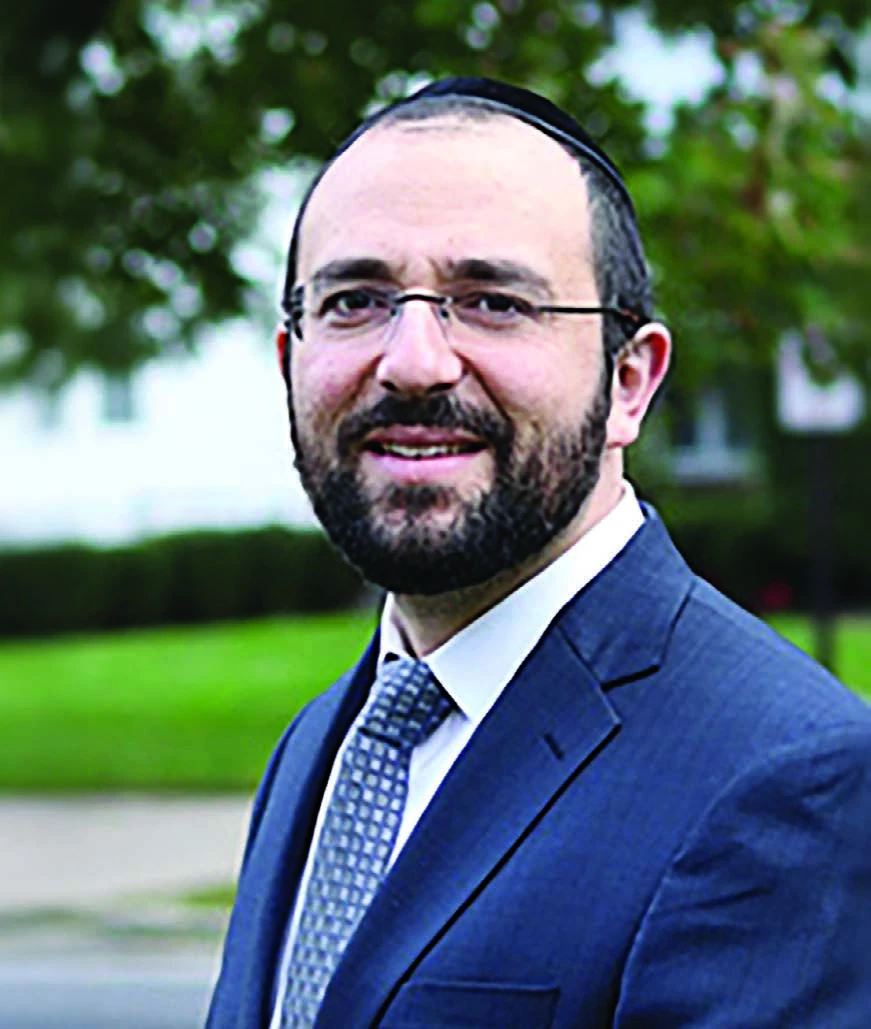 With Rabbi Moishe Katz
This interview appeared in February 2025. Program details reflect that edition. Visit United Refuah for current information.
Washington Jewish Journal had a conversation with Rabbi Moishe Katz, the dedicated and visionary CEO of United Refuah, about his inspiring journey, his commitment to Klal Yisroel, and his passion for revolutionizing healthcare through a community-driven model. As healthcare challenges grow increasingly complex, United Refuah presents a bold reimagining of what it means to care for one another, both physically and spiritually. This model not only exemplifies Jewish ideals but also has the potential to serve as a template for other faith-based or values-driven communities striving for sustainable, community-oriented solutions.
Rabbi Katz, thank you for you time. To dive right in, how does United Refuah compare to regular health insurance?
Moishe Katz: It’s essential to clarify the difference between insurance and health sharing.
A health-sharing group is a group of people with shared religious beliefs coming together to share medical expenses under a non-profit framework. Unlike insurance companies, which are designed to generate profit for stakeholders by managing policyholder expenses, health-sharing groups focus on helping members manage health-care costs collaboratively.
Our goal as a non-profit health-sharing ministry is to focus on health outcomes, ensuring members access the best care without restricting them to networks or providers. Members can use any doctor or hospital worldwide. At the same time, we strive to make costs affordable—both membership fees and the costs of care.
How do you maintain affordability and flexibility while managing costs?
We rely on industry benchmarks to determine fair pricing for medical services. We often look at Medicare’s rates for a service in a given area and allow up to 50% more than that amount. For instance, if Medicare would pay $200 for a service, we’ll allow up to $300. If the bill is within $300, it’s eligible for sharing, though there may still be some member responsibility.
If the bill exceeds that threshold—say $350 for a $200 Medicare service—the additional $50 becomes the member’s responsibility. However, we don’t have network restrictions, which allows members full flexibility in choosing providers.
Beyond cost management, our values of sharing and caring define our approach. When members call, they speak to someone who truly cares about them. Our team continuously improves the program based on member feedback, not profit goals.
Can you give examples of how the program has evolved?
Absolutely. When we started, there was no sharing for dental expenses because dental care is often separate. About three years ago, we introduced dental credits, allowing members to submit three dental visits per year, with $50 covered per visit. After a year, we saw that dental costs were significantly higher, so we doubled the credits to $100 per visit. For a family of six, that’s up to $1,800 in dental credits annually.
Another example is mental health. Initially, we limited coverage to 10 visits, but we realized it wasn’t sufficient for many members. We raised it to 12 visits. Similarly, for screening mammograms, we increased coverage from $250 to $300, ensuring it’s not subject to pre-share costs (similar to deductibles).
Our goal isn’t to cut services but to add value by addressing real needs.
What distinguishes United Refuah from insurance companies?
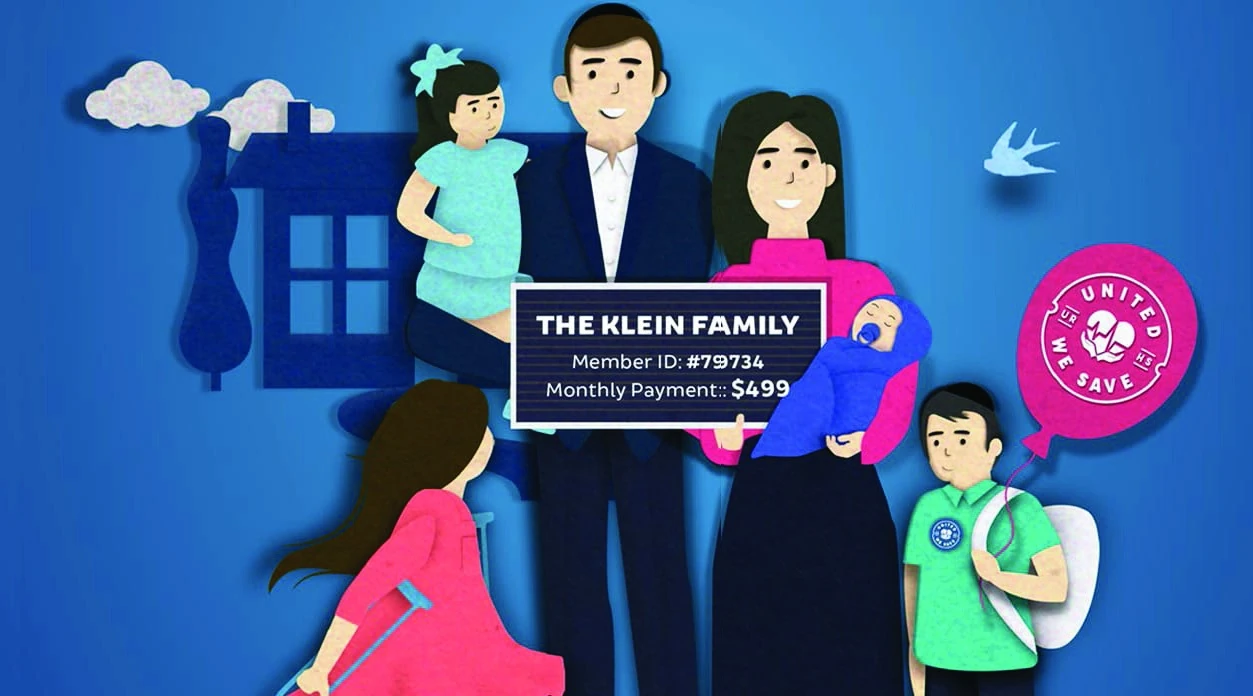
The primary difference lies in purpose and structure. Insurance companies are for-profit entities required by law to promise payment based on issued policies. Health-sharing groups, like United Refuah, don’t promise to pay. Instead, funds come from members’ monthly contributions, which are used to pay medical expenses.
We ensure financial stability by maintaining a buffer. Since we began, only 51% of the money collected has been used for medical expenses and overhead. The remainder stays in the share fund, which belongs to the members.
How do members perceive the program?
Many members find the program valuable. For example, I recently met a high-volume health insurance broker who proudly introduced himself as a United Refuah member. He explained that he doesn’t use the insurance he sells—he prefers United Refuah because it’s more affordable, flexible, and meets his family’s needs!
In fact, I can name three health insurance brokers who use United Refuah for their families. We also have doctors, lawyers, accountants, and other professionals as members. It’s a testament to the program’s appeal.
We’re not insurance, and we’re transparent about that. The government allows us to exist as a health-sharing ministry because they recognize the importance of communities supporting one another.
About the contributors
Rabbi Moishe Katz
Rabbi Moishe Katz is featured in Washington Jewish Journal’s February 2025 interview about United Refuah HealthShare. The conversation explores the organization’s nonprofit health-sharing model, affordability, provider choice and community care.
More by and about Rabbi Moishe Katz