In a Chanukah guest opinion, attorney Marina Medvin connects the Maccabean revolt, Jewish history and her case for the Second Amendment in America.
Guest opinion · Chanukah · By Marina Medvin
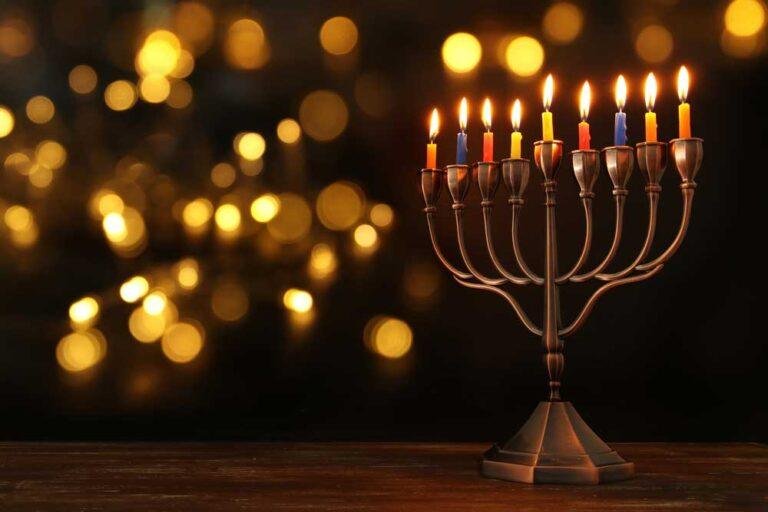
Not everyone associates Chanukah with the Second Amendment, but it’s a mistake not to. This holiday celebrates a victory that came only through Jews being armed.
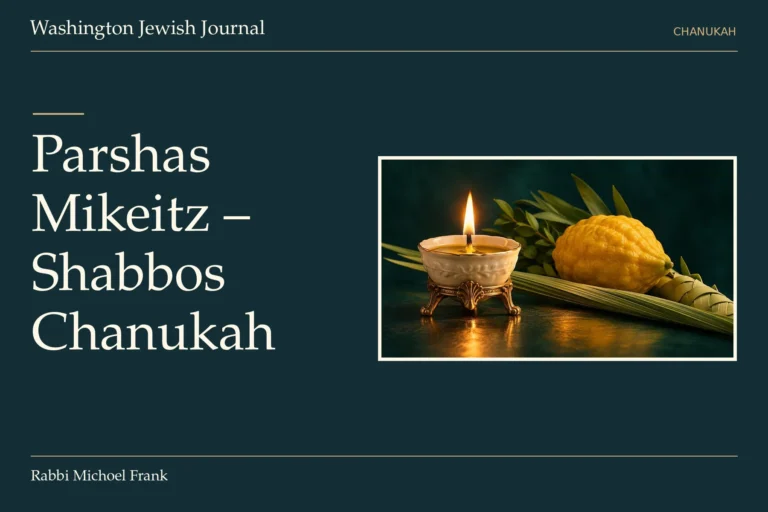
Modern retellings sanitize Chanukah into a cozy story about a single jar of oil lasting eight nights. Yet the earliest historical accounts in First and Second Maccabees don’t even mention the oil. Before anyone could rededicate the Second Temple, Judah Maccabee and a small band of armed Jews had to wage a guerrilla war against the Seleucid army. Without weapons, there would have been no menorah lighting.
Consider this in context: on the opposite side of Chanukah sits the Holocaust. It is where there is no light, just darkness. Where the disarmament of Jews played a direct role in the breadth of the slaughter.
On November 9, 1938, The New York Times reported Berlin’s police president boasting that the city’s entire Jewish population had been disarmed through the confiscation of 2,569 hand weapons, 1,702 firearms, and 20,000 rounds of ammunition. (That’s a lot of weapons.) That very night Kristallnacht began.
How did Berlin police know where to look? Ironically, Hitler didn’t even have to build a firearm registry. Years earlier, liberal lawmakers in the Weimar Republic had already enacted mandatory gun registration and police licensing. (Sound familiar?) When the Nazis took power in 1933, they simply inherited those registration records, used “weapons searches” as a pretext to raid Jewish homes, including Albert Einstein’s summer cottage where police found only a bread knife, and formalized total Jewish disarmament nationwide on November 11, 1938.
American Jews often scoff that private firearms couldn’t have stopped the Nazi war machine. Tell that to the Warsaw Maccabees. In April 1943, hundreds of untrained young Jews, armed initially with smuggled pistols, grenades, and homemade explosives, ambushed German forces entering the Warsaw Ghetto. Berlin expected to liquidate the starved, trapped Jews in three days. But the armed Jews refused to go quietly and held off the Germans for twenty-seven days. That was the Chanukah moment of World War II.
Still, the overwhelming majority of American Jews view civilian disarmament as enlightened policy. Even Israel maintained strict gun control, assuming the state alone could guarantee protection. That illusion collapsed on October 7, 2023. When Hamas terrorists went door to door slaughtering Jews in their homes, military and police units couldn’t be everywhere at once. But where armed civilians and kibbutz defenders had firearms, they stayed alive and saved lives. Within weeks of the massacre, more than 260,000 Israelis applied for gun permits as the government raced to arm law-abiding citizens.
But why is armament a lesson that Jews keep having to relearn? Chanukah should have been enough.
Why wait for your own personal catastrophe to take the lesson to heart? Antisemitism in America is no longer theoretical. Synagogues are vandalized. Yaron Lischinsky and Sarah Milgrim were murdered on the streets of D.C. Jewish students are abused in public schools and on college campuses nationwide. Jewish restaurants are targeted. An 82-year-old Jewish woman was firebombed. But unlike Berlin’s Jews in 1938 or Israelis before October 7, American Jews in 2026 live under the Second Amendment, reinforced by the Supreme Court. Far too many Jews still treat anti-gun politics as a badge of polite liberal belonging. It is time to retire that utopian luxury.
You owe it to your ancestors to survive.
Historical reading behind the column
United States Holocaust Memorial Museum · Warsaw Ghetto Uprising
Historical references in the column
Use these reference notes to explore the history discussed in this guest opinion.
›My reading list 0
Choose an item above to start your list.
- Chanukah
Medvin opens with the Maccabean revolt and the rededication of the Second Temple. Chanukah in the Journal
- November 1938
The column cites events in Berlin in the days surrounding Kristallnacht. Read about Kristallnacht at USHMM
- April 1943
The Warsaw ghetto uprising is another historical episode in the column. Read the USHMM account
About the author
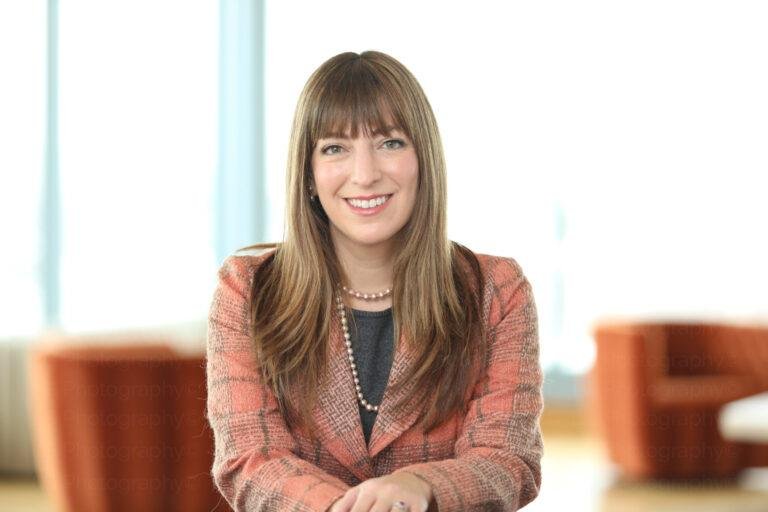
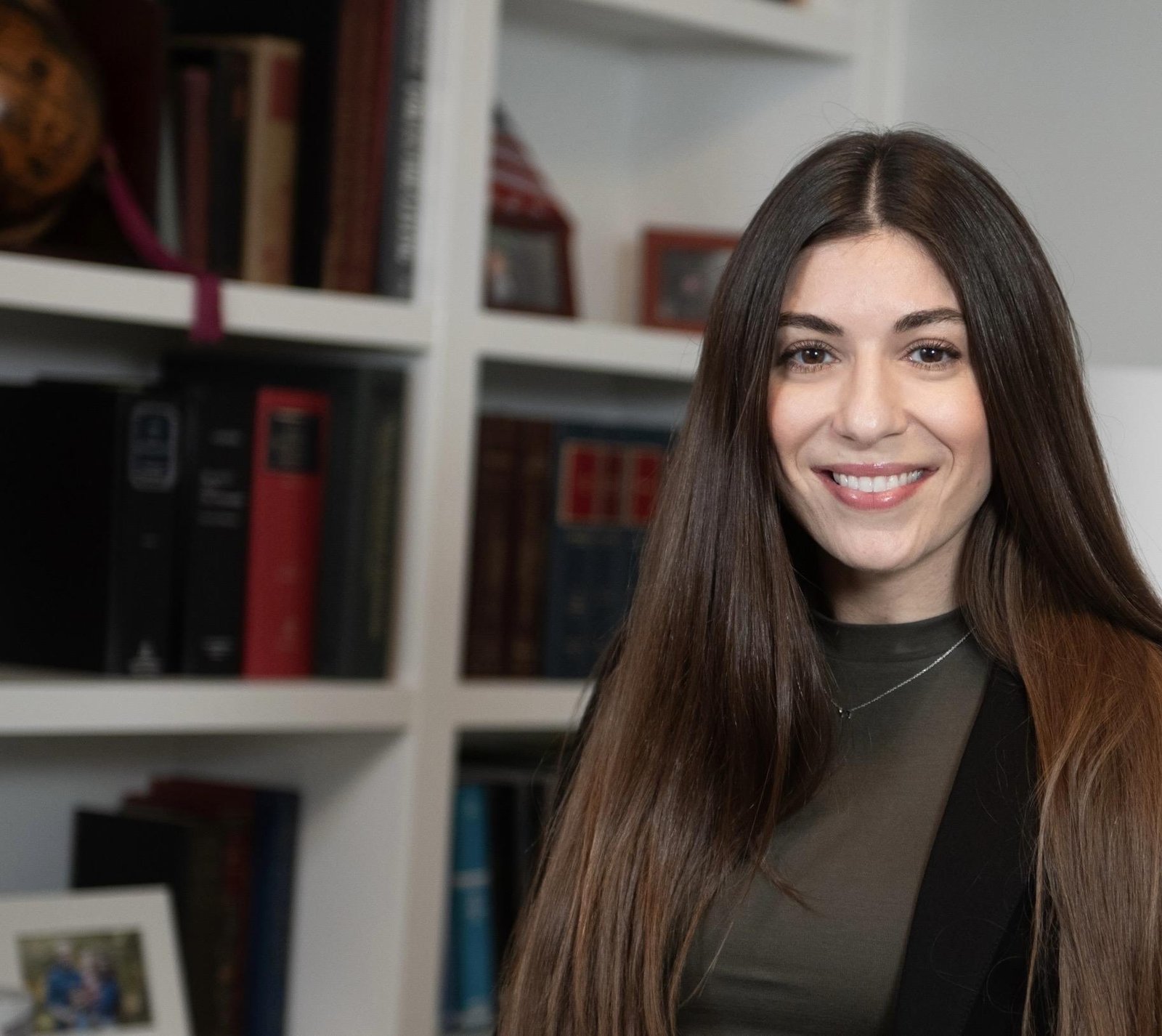
Marina Medvin is a criminal defense attorney recognized as a Top Lawyer by Washingtonian and Northern Virginia Magazine. A former Forbes and Townhall columnist, her commentary has also been featured by local news outlets. Follow her on X at @MarinaMedvin.
Marina Medvin at Washington Jewish Journal · Professional biography
Related reading · Maoz Tzur: A Poetic Translation for Chanukah
About the contributors
Marina Medvin
Marina Medvin is an Alexandria criminal defense attorney and the founder of MEDVIN LAW. She handles state and federal cases, including serious felony matters. Her legal commentary has appeared in Forbes and Townhall.
More by and about Marina Medvin →